Power & SitesUnited States
Google backs $4.3bn of Constellation nuclear uprates to add 890 MW to the PJM grid
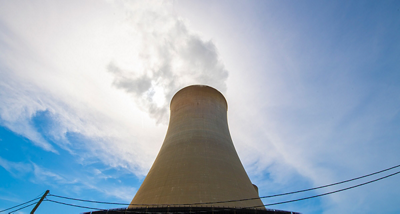
Constellation Energy will spend more than $4.3bn upgrading 11 of its nuclear units in Illinois, Pennsylvania and New Jersey to add 890 MW of new generating capacity to the PJM grid, backed by a 20-year power purchase agreement with Google.
The companies announced the deal on Oct. 6. The work will replace and modernize turbines, steam generators and digital control systems at operating reactors so that each one produces more electricity than it does today, a process the industry calls an uprate. In the release, the companies call the capacity "entirely new, expanding total electricity generation available across the PJM footprint." The first uprate is "expected to be delivered by 2028," and Google said in a blog post that the projects will add the full 890 MW "before the end of 2032."
The two companies also signed a second, separate contract: a 15-year energy supply agreement covering 2,700 MW from Constellation's existing PJM fleet. That deal does not add any capacity to the grid. It commits Google to buying power from plants that are already running, and the companies said it "ensures that Constellation's operating generation assets continue to deliver energy and capacity to the PJM market." The difference is the core of the arrangement. An uprate makes an existing reactor produce more power than before. A supply contract with existing plants pays for power those plants already produce. Of the two numbers, only the 890 MW is new capacity.
Google is acting as the anchor customer. "By serving as the anchor customer for these uprate projects, we're providing the long-term revenue certainty Constellation needs to invest in upgrades for 11 of their nuclear reactors, while ensuring other grid customers bear none of the associated costs," Amanda Peterson Corio, Google's global head of energy and power, wrote in the blog post.
The units sit at six nuclear sites across the three states. Neither company named the plants or the individual reactors, and neither disclosed the price Google will pay for the power or the total value of the contracts.
The companies said the deal will sustain about 4,400 existing jobs and create about 7,200 construction jobs while the work is underway. They described the 890 MW as equal to "the output of several Small Modular Reactors (SMRs) or a large new conventional reactor."
"Preserving and expanding the output of the existing nuclear fleet and developing new clean generation is critical to meeting our nation's growing energy needs while keeping costs affordable for homes and businesses," said Joe Dominguez, Constellation's chairman, president and chief executive. "This long-term clean energy collaboration with Google can serve as a model for how technology companies and the energy industry can work together to responsibly develop the digital economy and invest in our nation's energy infrastructure in a way that delivers grid-wide benefits for all, funded by private entities."
The deal lands in the middle of a debate over who pays for the power that data centers need. PJM, which runs the grid across 13 states and serves about 67 million people, has proposed a "Bring Your Own Power" approach in which large new consumers help pay for new supply. The companies pitched the agreement as a direct response to that proposal and said it lets Google add capacity "without passing on costs to residential customers."
"We're committed to meeting our growth responsibly by actively investing in clean, reliable power that brings new capacity to our nation's grids," Peterson Corio said in the release. "Our agreement with Constellation to fund nuclear reactor uprates will strengthen the PJM grid, which serves 67 million people, all while protecting energy affordability and supporting local union jobs."
The contract also includes a demand-flexibility clause. Google agreed to "operational load-shaping and demand-response capabilities to curtail non-critical power consumption during high-stress grid events," meaning it will cut back some of its electricity use when the grid is under strain.
Separately, Constellation picked Google Cloud and its Gemini Enterprise software under an expanded five-year technology agreement, to speed permitting and interconnection work on the uprates and manage plant outages.
Google said the agreement takes the nuclear capacity it has helped add to the U.S. grid, through uprates and restarts of shut plants, to more than 1.5 GW.
For Constellation, which calls itself the largest nuclear energy company in the U.S., it is the second big contract with a technology company in a week. On Sept. 30 it announced a 20-year agreement with Amazon covering 690 MW of power from its Calvert Cliffs plant in Maryland. That deal includes a roughly 190 MW uprate that is expected to come online between 2030 and 2032 and is backed by more than $3bn of investment. Constellation has also signed 20-year agreements with Microsoft to restart Three Mile Island Unit 1 in Pennsylvania as the Crane Clean Energy Center, and with Meta for the output of its Clinton plant in Illinois, a deal that includes a 30 MW uprate.
Uprates are not new for the company. In 2023 Constellation said it would spend $800m to replace the main turbines at its Byron and Braidwood stations in Illinois, adding about 135 MW, with the work done during scheduled refueling outages.