Power & SitesUnited States
Maryland nets 440 MW/1,760 MWh in first bulk energy storage procurement
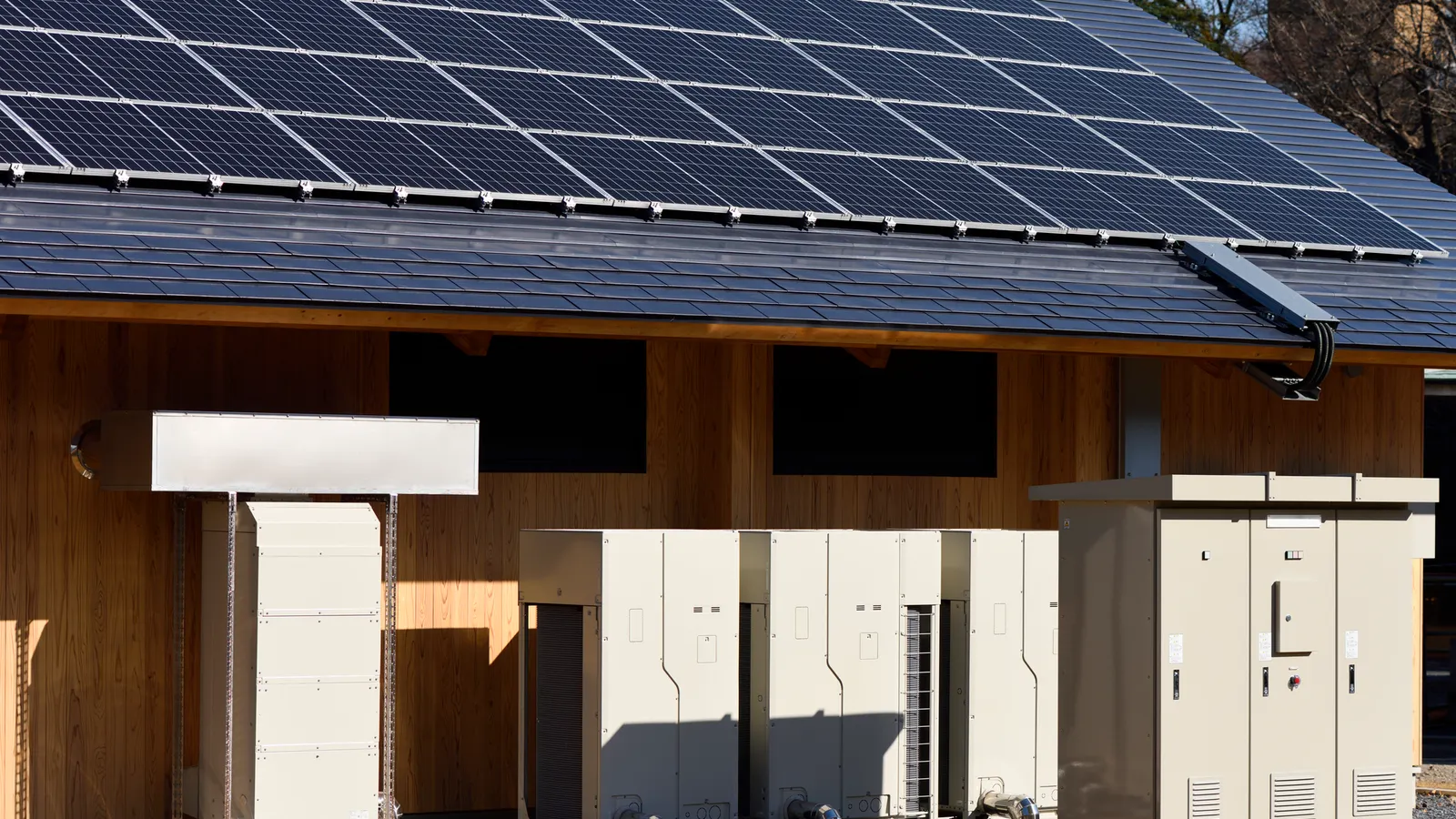
The first round of awards under the Maryland Next Generation Energy Act fell short of the state’s 800-MW target as the PJM Interconnection’s capacity crunch continues.
Dive Insight:
Passed in 2025, the Next Generation Energy Act requires Maryland to conduct at least two solicitations for a combined 1.6 GW of energy storage capacity. Eligible projects must be designed to discharge at full power for at least four hours.
The Maryland Public Service Commission announced the awards for the first solicitation round on Thursday, the statutory deadline. By law, it must open bidding for the second round by Jan. 1, 2027, and announce project awards by Oct. 1, 2027.
Evan Vaughan, executive director of the regional clean energy group MAREC Action, said Thursday’s selections will help mitigate the effects of PJM’s high capacity prices.
“These projects can help meet growing electricity demand while reducing exposure to volatile capacity prices that ultimately affect customers’ bills,” Vaughan said in a statement.
Also known as the Mid-Atlantic Renewable Energy Coalition, MAREC Action consists of more than 50 developers and manufacturers serving the region’s utility-scale solar, wind and battery storage industry. Flatiron Energy and REV Renewables are both members.
Flatiron’s project will be located at NRG’s oil- and gas-fired Chalk Point power plant in the southeastern corner of Prince George’s County, according to the Maryland Public Service Commission. REV will site its project on a portion of a reclaimed coal mine in mountainous Garrett County, near Maryland’s border with West Virginia and Pennsylvania.
The commission said it chose not to award the 500-MW/3,000-MWh Oystercatcher Energy Storage Project nor a 135-MW/540-MWh expansion Flatiron requested for the Chalk Point project in a revised filing after the first-round application window closed.
The commission said Flatiron could reapply for the Chalk Point expansion and “invited [Oystercatcher] to consider participating” in round two, citing the “desirable electric grid location and characteristics” of the project’s northeastern Maryland site while noting “the need for continued engagement with local stakeholders in Harford County if the project is pursued further.”
In addition to near-term cost pressures due to PJM’s capacity crunch, Maryland has ambitious clean energy goals, including a statutory 2045 target for statewide net-zero emissions and a 2035 goal for 100% carbon-free electricity set by gubernatorial order.
In a statement, Maryland Public Service Commission Chair Kumar Barve called the first-round award a milestone in the state’s effort to meet its energy policy goals, while acknowledging its relatively modest contribution.
“While we are disappointed that these awards are below our 800-MW target for Round 1, our Round 2 solicitation is expected to attract many more offers due to a pool of over 40 additional energy storage projects from PJM’s Cycle 1 interconnection process,” Barve said.