Enterprise AI orchestration must account for agents working across the data, applications and infrastructure businesses already use. As organizations move beyond experiments, running those systems consistently brings questions of access, oversight and operational control into sharper focus.
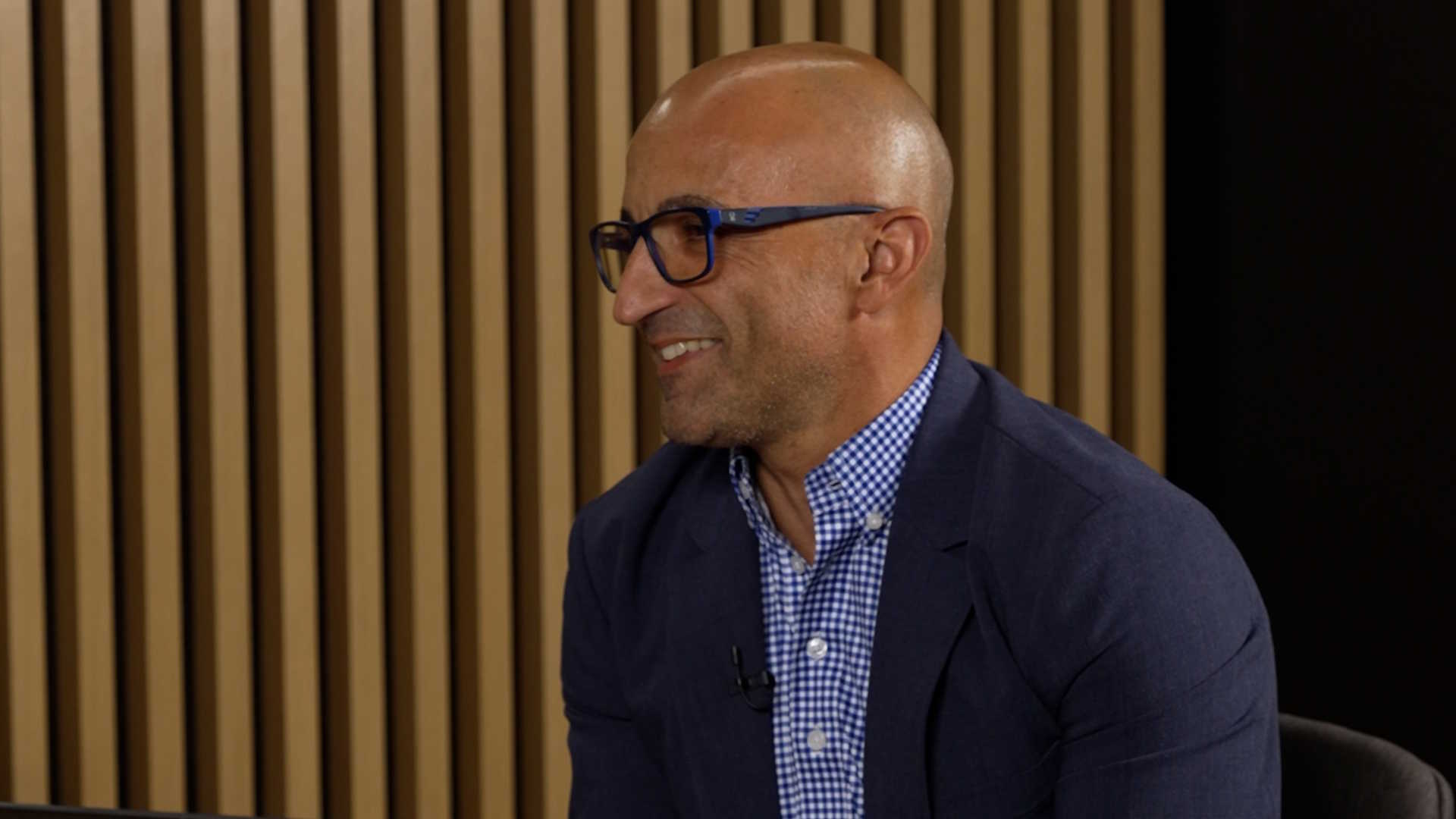
Those deployment challenges will help shape the discussion at IBM TechXchange 2026, taking place Oct. 26–29 in Atlanta. IBM Corp. plans to bring practitioners together to share how they are addressing production demands, including sovereignty, according to Bruno Aziza (pictured), group vice president of software, data, AI, automation and security at IBM.
“My belief is that the market is increasingly hybrid,” he said. “Hybrid data, hybrid operations, hybrid automation. The complexity is not in eliminating the hybrid world; the complexity is mastering the hybrid world.”
Aziza spoke with theCUBE Research’s Dave Vellante and John Furrier for IBM’s AI Operating Model interview series, during an exclusive broadcast on theCUBE, SiliconANGLE Media’s livestreaming studio. They discussed the technologies, operating practices and governance needed to scale AI across the business ahead of TechXchange. (* Disclosure below.)
Enterprise AI orchestration requires continuous oversight
Giving employees tools to build agents creates both a management challenge and an opportunity to improve their work. Enterprises need visibility into what those employees are deploying and a way to coordinate it across their systems, Aziza explained.
“That’s going to be where governance breaks … the [number of agents] that’s created by your employees will outpace what you can manage,” he said. “So, you really need to build a platform that’s going to allow you to catch up.”
IBM’s AI operating model connects agent orchestration, data integration, hybrid operations and sovereignty. Oversight needs to extend across applications, clouds and data, with alerts that allow organizations to understand and respond when problems arise, according to Aziza.