Power & SitesUnited States
Georgia's nuclear uprate tariff sells Google clean credits, not power, and leaves most of the risk with the buyer
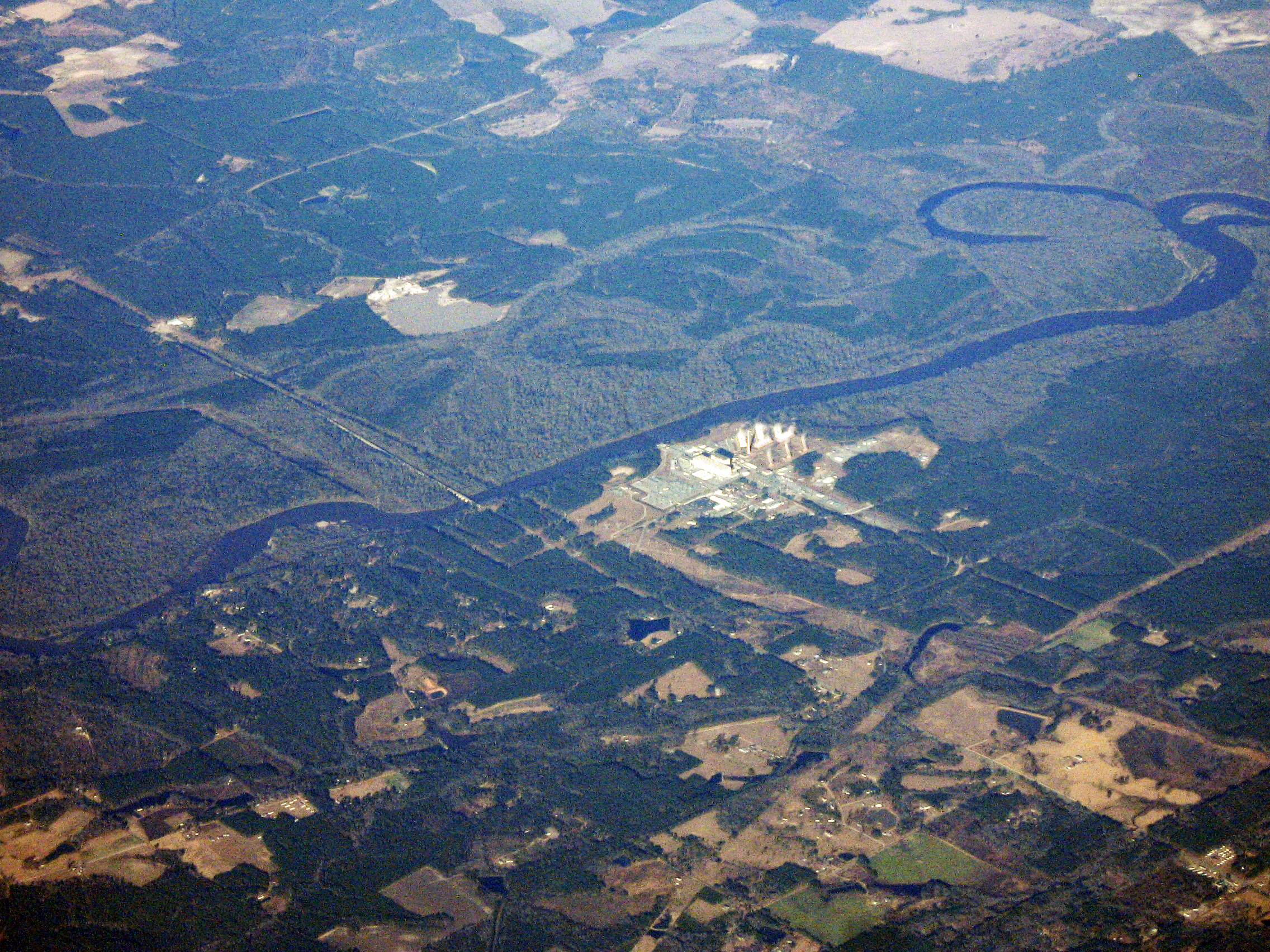
Georgia has given hyperscalers a way to put money behind new carbon-free output without buying any of the power. Under a tariff state regulators approved on Oct. 6, large customers subscribe to zero-emission credits from extra output at reactors already running, while the electricity, the plants and control of how they run stay with Georgia Power. The first offering is fully subscribed, and Google is the only customer the utility has named.
The Georgia Public Service Commission voted unanimously to approve Georgia Power's Nuclear Uprates tariff, known as NU-1, in Docket No. 44280. At the same session it approved the utility's plan to raise the output of the two reactors at Plant Hatch, in Docket Nos. 56002 and 56003. Commission staff had recommended each approval on the condition that the other also pass. Neither written order, filed Oct. 9, names Google.
Google's role comes from Georgia Power's Sept. 21 release, which said Google would support uprates on Georgia Power's share of the reactors at Plant Vogtle and Plant Hatch, adding about 96 megawatts of capacity. The Vogtle work, at the plant's older Units 1 and 2, was already approved in Georgia Power's 2025 resource plan. Hatch is the new piece. An uprate raises a reactor's output through equipment upgrades so it can run at a higher licensed power level.
"Many of our large customers have specific clean energy goals," said Aaron Mitchell, Georgia Power's senior vice president of strategic growth, calling the deal "the latest example of how large-load growth can benefit all electric customers."
Google gets neither the electricity nor the capacity. Georgia Power's public summary of the agreement, filed with the commission on Oct. 6, says the deal "does not sell or transfer electric energy, generating capacity, or an ownership interest" in any unit. The power stays on Georgia Power's system and serves all customers. Google buys zero-emission credits, each representing one megawatt-hour of carbon-free generation, which Georgia Power retires on its behalf. It pays an upfront program enrollment contribution, then monthly payments for the credits as they are generated. Both prices are set in a customer agreement that Georgia Power filed as a trade secret. The public copy is fully redacted.
Georgia Power puts the gain for other customers at about $900 million. In its filing with the commission, it said subscription revenues and incremental energy benefits "associated with the Plant Hatch uprates" are expected to deliver that sum over the remaining operating lives of the units, based on current projections. Its release had credited the figure to Google's subscription.
The structure turns on timing. Georgia Power told the commission the upfront payments are meant to arrive while it is spending on the Hatch project, "to minimize rate impacts on other Georgia Power customers." Under the accounting the commission approved, enrollment payments received in 2028 count toward construction work in progress only for calculating financing costs during construction, and they stay out of the rate base customers pay a return on. From 2029 they reduce that rate base.
The commission's order describes NU-1 as a voluntary program for commercial and industrial customers adding at least 100 MW of new load. A customer can subscribe to no more than 100% of its annual load on Georgia Power's system, contracts run up to 25 years, and Georgia Power may adjust a subscription if the customer's load falls short.
Other large customers can sign up on paper, but not yet in practice. Georgia Power told the commission the program "is fully subscribed." Under the tariff, NU-1 "will be offered periodically, as determined by the Company," with subscriptions taken first-come, first-served until the capacity on offer is fully subscribed.
For hyperscalers, NU-1 separates the clean-energy claim from the power supply. The customer gets credits tied to named units and to output its money helps fund, each one a megawatt-hour, retired on its behalf. It does not get energy, capacity or an ownership stake, so the deal does nothing on its own to secure power for a data center.
In return, the buyer carries most of the risk. Georgia Power's summary says Google must post and maintain financial security, which the utility can draw on, and may owe program contributions and a termination payment if it defaults or walks away. The price can be adjusted for changes in law and certain project cost changes, within contractual limits, and the agreement needs Nuclear Regulatory Commission approval. Georgia Power keeps control of dispatch, outages and maintenance.
For utilities, the model brings customer cash in while the work is under way and keeps the asset and its output on their own system. That lets Georgia Power present a large customer's clean-energy goal as a rate benefit for everyone else, which is the case it made to the commission.
The limit for anyone trying to copy or price the model is disclosure: with both prices filed as trade secrets, the market cannot yet see what a credit from uprated nuclear output costs.
The approval extends Georgia's push to make big new loads carry the cost of their growth. In August a 3,210 MW contract between Georgia Power and a data center customer was deemed approved after commission staff review. With it, the commission said, Georgia Power has secured customers for all 9,985 MW of new generation the commission certified in December 2025.